Hey there! I’m a supplier of check valves, and I often get asked about the difference between a check valve and a foot valve. It’s a valid question, especially for those who are new to the world of valves or just need to figure out which one is right for their specific application. So, let’s dive into it and break down the key differences between these two types of valves. Check Valve
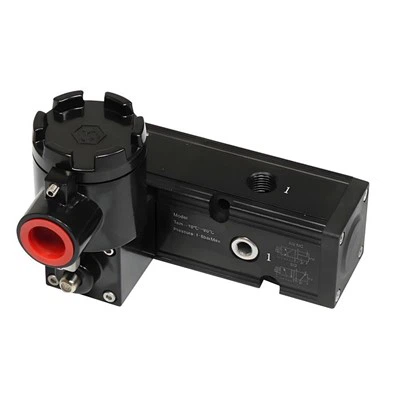
What’s a Check Valve?
First things first, let’s talk about check valves. A check valve is a type of valve that allows fluid (that can be liquid or gas) to flow in only one direction. It’s designed to prevent backflow, which is super important in a lot of systems. You see, in many industrial, commercial, and even residential setups, having fluid flow in the wrong direction can cause all sorts of problems, like equipment damage, contamination, or just a complete system failure.
Check valves work based on a pretty simple principle. They have a closing mechanism, which can be a disc, a ball, or a diaphragm. When the fluid flows in the correct direction, it pushes against the closing mechanism, opening the valve and allowing the fluid to pass through. But when the flow tries to reverse, the fluid pressure forces the closing mechanism back into place, blocking the flow and preventing backflow.
There are different types of check valves out there. For example, swing check valves use a hinged disc that swings open as the fluid flows in the right direction and swings closed when the flow reverses. They’re pretty common in water supply systems and some industrial applications. Then there are lift check valves, which have a disc that moves up and down in a vertical guide. These are often used in applications where the flow rate is relatively low and the pressure is high.
What’s a Foot Valve?
Now, let’s look at foot valves. A foot valve is actually a type of check valve, but it has some unique features that set it apart. Foot valves are typically installed at the bottom (or "foot") of a suction line, like in a well or a pump inlet. Their main job is to keep the pump primed by preventing the liquid from flowing back out of the suction line when the pump is turned off.
The design of a foot valve is a bit different from a regular check valve. It usually has a screen or strainer attached to it. This screen helps to prevent debris, like dirt, sand, or small rocks, from getting into the suction line and damaging the pump. You can think of it as a kind of filter at the very beginning of the system.
Another key feature of foot valves is that they are designed to work under suction conditions. When the pump starts, it creates a suction that pulls the liquid up through the foot valve. The valve opens as the liquid is drawn in, and when the pump stops, the valve closes to prevent the liquid from flowing back down.
Key Differences
1. Location of Installation
One of the most obvious differences between a check valve and a foot valve is where they’re installed. Check valves can be installed anywhere in a piping system where preventing backflow is necessary. They can be in horizontal, vertical, or even inclined pipes. You might find them in pipelines connecting different pieces of equipment, in HVAC systems, or in water treatment plants.
On the other hand, foot valves are always installed at the bottom of a suction line. They’re specifically designed for that location to ensure proper priming of the pump. For example, if you have a well pump, the foot valve will be at the bottom of the well, sitting in the water.
2. Functionality in Relation to Pumps
Check valves are used in a wide range of systems, and while they’re often used with pumps, they don’t necessarily have to be. They can be used in systems where there’s just natural fluid flow, like in a gravity-fed water system. Their main function is to prevent backflow, no matter what the source of the flow is.
Foot valves, however, are directly related to pump operation. Their primary function is to keep the pump primed. Without a foot valve, when the pump stops, the liquid in the suction line would drain back down, and the pump would have to be re – primed every time it starts. This can be a real hassle, especially in systems where the pump needs to start up frequently.
3. Design Features
As mentioned earlier, foot valves usually have a screen or strainer attached to them. This is a crucial feature that’s not typically found on regular check valves. The strainer helps to protect the pump from damage by keeping out debris.
Check valves, in contrast, come in a variety of designs focused more on the mechanism for opening and closing to control the flow direction. They can have different types of closing elements, like swing discs, lift discs, or balls, and their design is optimized for different flow rates and pressure conditions.
4. Pressure Requirements
Check valves can be designed to work under a wide range of pressure conditions. Some are made for low – pressure applications, like in a household plumbing system, while others are built to handle high – pressure industrial environments.
Foot valves, on the other hand, are mainly designed to work under suction pressure created by the pump. The pressure they need to withstand is usually related to the suction force generated during pump operation, and they don’t typically have to handle extremely high pressures like some industrial check valves.
Applications
Both check valves and foot valves have their own unique applications based on their differences.
Check valves are used in many industries. In the oil and gas industry, they’re used in pipelines to prevent backflow of oil or gas, which can be crucial for safety and efficiency. In the chemical industry, check valves are used to control the flow of chemicals and prevent cross – contamination between different parts of the system. In the food and beverage industry, they’re used to ensure hygienic fluid flow and prevent product loss.
Foot valves are most commonly used in water pumping systems. They’re essential in well pumps, whether it’s for a residential water supply from a private well or for agricultural irrigation. They’re also used in some industrial pumping systems where priming is a concern, like in flood control pumps or some small – scale manufacturing processes that involve liquid transfer.
Why Choose Our Check Valves?
As a check valve supplier, I understand the importance of quality and performance. Our check valves are made from high – quality materials that can withstand different operating conditions. We have a wide range of check valves available, from small – scale valves for residential use to large – scale industrial valves.
Our valves are designed with precision to ensure reliable operation. Whether you need a check valve for a low – pressure application or a high – pressure one, we’ve got you covered. We also offer custom – made check valves to meet specific requirements of our customers.
We know that choosing the right valve is crucial for the success of your project. That’s why we have a team of experts who can help you select the most suitable valve for your needs. If you’re not sure whether a check valve or a foot valve is the right choice for you, we can provide guidance and answer any questions you might have.
Let’s Connect
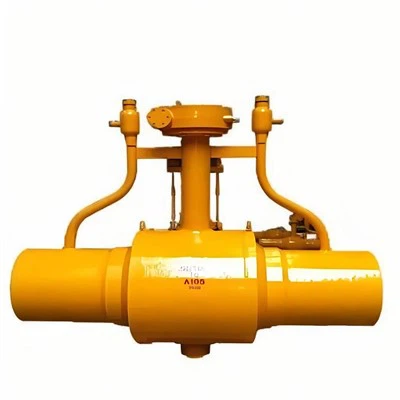
Trunnion Mounted Ball Valves If you’re in the market for a check valve for your project, or if you’re still trying to figure out the difference between a check valve and a foot valve, don’t hesitate to reach out. We’re here to help you make the best decision and get the right valve for your application. Whether it’s for a small – scale residential project or a large – scale industrial system, we have the expertise and the products to meet your needs. Contact us and let’s start a conversation about how we can support your valve requirements.
References
- Smith, J. "Valve Handbook: A Guide to Choosing the Right Valve." 2020.
- Johnson, M. "Understanding Fluid Flow and Valve Operation." 2018.
- Brown, K. "Pump Systems and Valve Applications." 2019.
Wuxi PYNOS Flow-tech Co., Ltd.
As one of the leading check valve manufacturers and suppliers in China, we offer a wide range of products with superior quality. We warmly welcome you to buy high quality check valve made in China here from our factory. We also accept customized orders.
Address: Sales Center: 7th Floor, No.19 Qingyuan RD, Wuxi City, Jiangsu Prov., China
E-mail: Info@pynosvalve.com
WebSite: https://www.pynosvalves.com/
