If you’ve ever stopped to look at a bag of livestock feed—whether it’s for corn, soy, or a custom blend for cattle, poultry, or swine—you might have noticed crisp, clear text or graphics on its surface. That labeling isn’t just for brand recognition; it’s critical for farmers: it lists nutritional content, feeding instructions, ingredient warnings, and compliance with agricultural regulations. As a supplier of livestock feed woven bags, I’ve spent years testing different printing methods to find which ones balance durability, cost-effectiveness, and readability—all while withstanding the harsh conditions of transport, storage, and exposure to sun, moisture, and animal feed. Today, I want to break down the most common printing methods we use, how they work, and why they matter for our customers who rely on these bags day in and day out. Livestock Feed Woven Bags
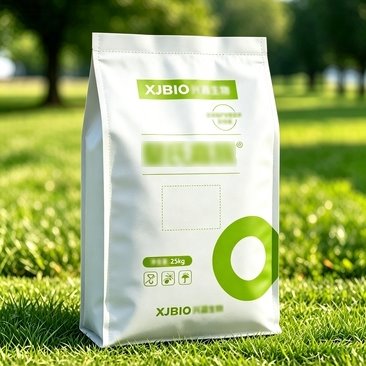
First, let’s set the context: livestock feed woven bags are typically made from polypropylene (PP) fabric, a tough, flexible material that resists tears and punctures. But PP’s non-porous, smooth surface makes printing tricky—some methods work perfectly, others fade or peel off within a few weeks. The last thing a farmer wants is a feed label that smudges when it rains, or a brand logo that rubs off when the bag is stacked in a muddy feed storage shed. That’s why we prioritize methods that adhere tightly to PP, even after rough handling.
The first and most widely used method in our facility is flexographic printing, or “flexo” for short. If you’ve ever seen a roll of labels on a machine, you’ve glimpsed flexo in action. Here’s how it works: we use flexible rubber or photopolymer plates etched with our design, which are wrapped around rotating cylinders. Ink is applied to the plates, then transferred directly to the moving PP woven fabric as it passes through the press. What makes flexo ideal for our bags? It’s fast, scalable, and works seamlessly with the large-format rolls we produce. For high-volume runs—say, 50,000 or 100,000 bags for a national feed brand—flexo cuts production time and costs far better than smaller, more labor-intensive methods.
But flexo has specific perks for livestock applications, too. We can use water-based or solvent-based inks that bond well to PP when we treat the surface first (a quick corona discharge process that tweaks the fabric’s surface energy, so ink sticks instead of beading up). The result is a bold, opaque print that doesn’t bleed into the woven fibers, even when the bag gets damp. For our customers, that means a clear, unobscured label showing feed ingredients like “16% crude protein for finishing hogs” or “no added antibiotics for layer hens.” We’ve also found that flexo holds up to outdoor exposure: a bag left in a farm’s sun for three months won’t fade the way some other prints might. The only caveat? Fine, intricate graphics (like small product icons or tiny regulatory numbers) can blur a little with flexo, so we stick to larger text and bold logos for most feed bags.
Next up: rotogravure printing, or “gravure,” a method we reserve for more detailed, high-quality designs. Unlike flexo’s raised plates, gravure uses a cylinder etched with tiny, recessed cells that hold ink. As the cylinder rotates, excess ink is wiped off the surface, leaving only the ink in the cells to transfer to the fabric. This produces sharper, more precise prints—great for brands with detailed logos, barcode scannable numbers, or product safety symbols that need to meet strict agricultural standards.
Gravure’s big advantage is its versatility with ink types. We can use solvent-based inks that have better chemical resistance, which is perfect for feed bags that might come into contact with fertilizer or other agricultural chemicals during transport. The printed layer is also thicker than flexo, so it’s less likely to scratch off when bags are stacked against metal pallets or dragged across concrete. For example, one of our clients, a regional cattle feed co-op, uses gravure to print specific lot numbers and expiration dates that need to be scanned by their supply chain equipment—something flexo occasionally struggles with because of its slightly uneven print. That said, gravure has a higher setup cost: the etched cylinders are expensive to make, so it’s better suited for medium to long runs, not small custom orders. We use gravure for about 20% of our feed bag production, mostly for brands that need precision and durability.
Then there’s screen printing, a method that’s been around for decades but still has a place in our process, especially for small, custom runs or special requests. Screen printing works by pushing ink through a fine mesh stencil onto the fabric. We create a stencil for each color, line it up carefully, and pass ink through the mesh onto the PP woven bag. For livestock feed bags, screen printing is great for bold, single-color prints—like a brand’s large, simple logo on the front of a bag that’s designed to be spotted from across a feed lot. It’s also more affordable for runs as small as 5,000 bags, which is perfect for smaller local feed mills or farms that need custom branding for their own private-label feed.
The downside of screen printing is it’s slower than flexo or gravure, so we only use it when volume is low. Also, because the ink sits on top of the fabric, it can crack if the bag is folded or stretched during transport—something that rarely happens with flexo or gravure. We adjust for this by using a flexible, low-cure ink that can move with the PP fabric, but it’s still not as durable as the other two methods for large, high-use runs.
One method we’ve tested more recently, and that’s growing in popularity among our tech-savvy clients, is digital printing. This is the “no setup” option: instead of using plates or cylinders, we use inkjet or toner printers that directly apply the design to the PP fabric, one bag at a time. Digital printing is a game-changer for small custom orders, because there’s no upfront tooling cost. For example, a farmer who wants 1,000 small bags of organic goat feed with a custom photo of their herd on the side? Digital printing makes that possible without the high setup fees of gravure or screen printing. It also lets us make on-the-fly design changes—like updating a nutritional value chart for a new feed blend—without waiting for new plates to be made.
But digital printing has limits when it comes to livestock feed bags. The inks are usually water-based, which means they can smudge if the bag gets wet right after printing. We also find that the print isn’t as scratch-resistant as flexo or gravure; if a bag is dragged across a metal fence, parts of the digital design can rub off. That’s why we mostly use digital for small, specialty bags—like feed for rare livestock breeds, or promotional bags for farm events—rather than the large, bulk bags that go into daily use for commercial farms. Still, it’s a key part of our offerings for customers who need flexibility and custom designs.
Now, let’s talk about what we avoid, too, because not all printing methods are right for feed bags. We’ve stayed away from hot stamping, for example, which uses foil and heat to transfer designs. It looks sleek, but the foil can peel off in humid conditions, and it’s expensive for large runs. We also don’t use pad printing, which is better for small, rigid items like plastic bottles, not large woven fabric bags. Our focus has always been on methods that balance durability, cost, and readability—three non-negotiables for a feed bag that’s going to be used in some of the toughest environments on a farm.
What’s interesting is how customer needs shape which method we recommend. For a big national feed manufacturer shipping 500,000 bulk bags a year, flexo is almost always the best choice—it’s fast, cheap, and durable enough to withstand cross-country transport. For a local mill that wants to brand 10,000 bags with their farm’s unique logo, screen printing keeps costs low. And for a specialty organic feed brand that needs a small batch with a scannable barcode, gravure is the way to go. We also work with many clients to combine methods: a bulk feed bag might have a large flexo logo on the front, with a gravure-printed nutritional panel on the back that needs to be precise.
As a supplier, we also prioritize testing every print method ourselves before offering it to customers. Last year, we ran a side-by-side test: we printed five identical feed bag designs with flexo, gravure, screen, and digital, then dragged each bag across concrete, soaked them in water for 24 hours, and stacked them with heavy weights for a week. The flexo and gravure bags came out almost perfectly—no fading, no peeling, clear text. The screen printed bag had a small crack in the ink, and the digital bag had smudged text. That’s the kind of real-world testing we rely on to make sure our bags work for our customers.
At the end of the day, the printing on a livestock feed bag isn’t just aesthetics—it’s a critical tool for farmers. If a label is unreadable, a farmer might accidentally feed the wrong blend to their cattle, leading to health issues or lost profit. A brand that’s easy to spot helps farmers restock their supply quickly, and lot numbers make it easy to trace products if there’s a quality issue. That’s why we don’t cut corners on printing: every method we use is chosen because it solves a real problem for the people who use our bags every day.
If you’re a feed mill, farm, or agribusiness looking for woven feed bags that are printed to last, we’re here to help. We work with every type of printing method to fit your volume, budget, and design needs, from large bulk runs to small custom orders. Whether you need a simple logo on a standard feed bag or a detailed, scannable label for your specialty products, we can tailor the solution to your needs. Reach out to our team to discuss your requirements and get a quote for your next order.
Aquatic Feed Bags References
- Agricultural Plastics Association. (2022). Best Practices for Printing Polypropylene Packaging for Agricultural Applications.
- Flexible Packaging Association. (2021). Printing Methods for Woven Polypropylene Bags: Durability and Performance Guidelines.
- USDA Agricultural Marketing Service. (2020). Labeling Requirements for Livestock Feed Packaging.
- International Plastics, Inc. (2023). Comparison of Flexographic, Gravure, and Digital Printing for Polypropylene Fabric.
Zhejiang Xifeng Packaging Co., Ltd.
We are one of the most experienced livestock feed woven bags manufacturers and suppliers in China. With a professional production team, we offer a wide range of products with superior quality. Please feel free to buy bulk livestock feed woven bags at competitive price from our factory. We also accept customized orders.
Address: Xiaojiang Town, Pingyang County, Wenzhou City, Zhejiang Province, China
E-mail: zjxifeng@126.com
WebSite: https://www.xifengpackaging.com/
