Hey there! I’m a wok supplier, and I know that storing a wok properly is super important. A well – stored wok not only lasts longer but also performs better every time you use it. So, let’s dive right into how you can keep your wok in tip – top shape. Wok
Clean Your Wok Thoroughly First
Before you even think about storing your wok, you gotta clean it up. After each use, don’t let the food bits and grease sit on it for too long. Use hot water and a mild dish soap to scrub it gently. I know some people say not to use soap on a wok because it can strip the seasoning, but if you’ve got a well – seasoned wok, a little bit of mild soap won’t hurt.
For stubborn stains, you can use a soft – bristled brush. Avoid using steel wool or abrasive cleaners as they can scratch the surface of the wok. Once you’re done scrubbing, rinse it thoroughly with hot water. Make sure to get rid of all the soap residue.
After rinsing, dry the wok completely. You can either let it air – dry or use a clean, dry cloth to wipe it down. Any moisture left on the wok can lead to rust, especially if it’s a carbon steel wok. If your wok has a wooden or bamboo handle, be extra careful when drying it. You don’t want the handle to get too wet and start to rot.
Seasoning Before Storage
Seasoning your wok is like giving it a protective coat. If you’re planning to store your wok for a while, it’s a good idea to season it one more time. To season a wok, heat it up on the stovetop over medium – high heat until it starts to smoke. Then, pour in a little bit of neutral oil, like vegetable or canola oil. Use a paper towel to spread the oil all over the inside and outside of the wok.
Let the oil cook on the wok for a few minutes, then turn off the heat and let the wok cool down. Wipe off any excess oil with a clean paper towel. This extra layer of seasoning will help protect the wok from rust and corrosion during storage.
Choose the Right Storage Location
The place where you store your wok matters a lot. You want to keep it in a dry and cool area. A damp or humid environment can cause rust and other damage to the wok. A kitchen cabinet is a great option, as long as it’s not too close to the sink where it might get splashed with water.
If you don’t have enough cabinet space, you can also hang your wok. There are special wok hangers available in the market. Hanging the wok not only saves space but also allows air to circulate around it, which helps prevent moisture buildup.
Just make sure that when you hang the wok, it’s secure. You don’t want it to fall and get damaged. If you’re using a hanger, check it regularly to make sure it’s in good condition.
Protect the Surface
When storing your wok, you want to protect its surface. If you’re stacking it with other cookware, put a soft cloth or a silicone mat between the wok and the other items. This will prevent scratches.
If your wok has a non – stick surface, be even more careful. Non – stick coatings can be easily damaged, so don’t stack heavy items on top of the wok. You can also use a wok cover to protect the inside of the wok. There are different types of wok covers available, like fabric covers or plastic ones.
Storing Woks with Different Materials
Carbon Steel Woks
Carbon steel woks are very popular because they heat up quickly and are great for stir – frying. But they’re also prone to rust. As I mentioned before, make sure they’re completely dry before storage. You can also apply a thin layer of oil to the inside and outside of the wok to prevent rust.
If you’re storing a carbon steel wok for a long time, wrap it in a piece of oiled paper. This will provide an extra layer of protection against moisture and air.
Stainless Steel Woks
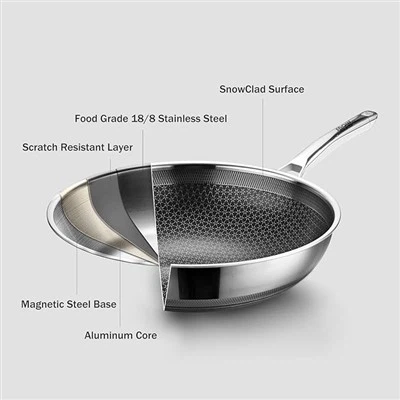
Stainless steel woks are more resistant to rust than carbon steel ones. But they can still get scratched. When storing a stainless steel wok, avoid stacking it with rough or sharp – edged items. You can clean it with a mild stainless steel cleaner before storage to keep it looking shiny.
Cast Iron Woks
Cast iron woks need a lot of care. They’re heavy and can rust easily. After cleaning, dry the cast iron wok thoroughly on the stovetop over low heat to make sure there’s no moisture left. Then, apply a generous amount of oil to the entire surface of the wok.
Store the cast iron wok in a dry place. If possible, cover it with a breathable fabric to keep dust off.
Check Your Wok Regularly
Even if you’ve stored your wok properly, it’s a good idea to check it regularly. Every few months, take it out and inspect it for any signs of rust, damage, or wear. If you notice any rust spots, you can remove them with a fine – grit sandpaper and then re – season the wok.
If there’s any damage to the handle or the body of the wok, it’s important to address it right away. You don’t want a small problem to turn into a big one.
Conclusion
Storing a wok properly is not that hard. By following these simple steps, you can keep your wok in great condition for years to come. Whether you’re a home cook or a professional chef, a well – stored wok will always give you the best cooking results.
Baking Pan If you’re in the market for a new wok, or if you have any questions about wok storage or our products, don’t hesitate to reach out. We’re here to help you find the perfect wok for your needs and give you all the advice you need on how to take care of it. Let’s start a conversation and see how we can work together!
References
- "The Wok: Recipes and Techniques from the Wok King" by Martin Yan
- "Stir – Frying to the Sky’s Edge" by Grace Young
Zhejiang Nanyue Kitchenware Co., Ltd.
We’re well-known as one of the leading wok manufacturers and suppliers in China, also support customized service. Please feel free to buy high quality wok made in China here and get pricelist from our factory. For price consultation, contact us.
Address: Located inside Zhejiang Jialiyuan Industry and Trade Co., Ltd. (Nanyue Kitchenware) in Jiangbin Industrial Zone, Tongqin Town, Wuyi County, Zhejiang Province.
E-mail: nanyuekitchenware@zj-jlypans.com
WebSite: https://www.nanyuecook.com/
