What are the ventilation requirements for an electrical enclosure?
As a seasoned supplier of electrical enclosures, I’ve witnessed firsthand the critical role that proper ventilation plays in ensuring the safety, reliability, and longevity of electrical equipment. Electrical enclosures are designed to protect sensitive components from environmental factors, such as dust, moisture, and mechanical damage. However, these enclosures can also trap heat generated by the electrical components inside, leading to overheating and potential failure. Electrical Enclosure
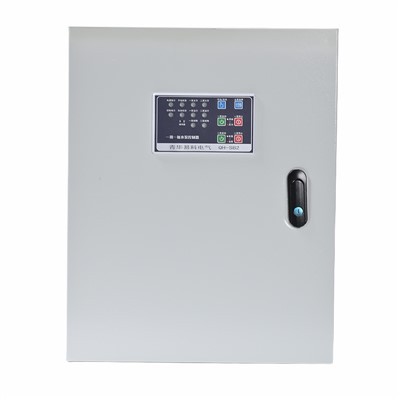
In this blog post, I’ll delve into the ventilation requirements for electrical enclosures, exploring the factors that influence ventilation design and the best practices for ensuring optimal performance.
The Importance of Ventilation in Electrical Enclosures
Electrical equipment generates heat as it operates, and if this heat is not effectively dissipated, it can cause a range of problems. High temperatures can reduce the lifespan of electrical components, increase the risk of electrical fires, and degrade the performance of sensitive electronics. Proper ventilation helps to maintain a safe operating temperature inside the enclosure by removing heat and circulating fresh air.
By providing adequate ventilation, you can:
- Prevent overheating: Ventilation helps to remove heat from the enclosure, preventing the temperature from rising to dangerous levels. This can extend the lifespan of electrical components and reduce the risk of equipment failure.
- Improve reliability: Overheating can cause electrical components to malfunction or fail prematurely. By maintaining a stable operating temperature, ventilation helps to improve the reliability of electrical equipment and reduce downtime.
- Enhance safety: High temperatures can increase the risk of electrical fires. Proper ventilation helps to reduce the heat buildup inside the enclosure, minimizing the risk of fire and ensuring the safety of personnel and equipment.
- Meet regulatory requirements: Many industries have specific regulations and standards regarding the ventilation of electrical enclosures. By ensuring that your enclosures meet these requirements, you can avoid costly fines and legal issues.
Factors Affecting Ventilation Requirements
The ventilation requirements for an electrical enclosure depend on several factors, including:
- Heat load: The amount of heat generated by the electrical components inside the enclosure is the primary factor determining the ventilation requirements. Components such as transformers, motors, and power supplies generate significant amounts of heat and require adequate ventilation to dissipate it.
- Enclosure size and shape: The size and shape of the enclosure can also affect the ventilation requirements. Larger enclosures generally require more ventilation than smaller ones, as they have a greater volume of air to cool. The shape of the enclosure can also impact the airflow, with some designs being more conducive to natural convection than others.
- Ambient temperature and humidity: The ambient temperature and humidity of the environment in which the enclosure is located can also influence the ventilation requirements. In hot and humid environments, more ventilation may be required to prevent the temperature inside the enclosure from rising too high.
- Installation location: The location of the enclosure can also affect the ventilation requirements. Enclosures installed in areas with poor airflow, such as corners or enclosed spaces, may require additional ventilation to ensure proper cooling.
Ventilation Methods for Electrical Enclosures
There are several methods of ventilating electrical enclosures, each with its own advantages and disadvantages. The most common ventilation methods include:
- Natural convection: Natural convection is the simplest and most cost-effective method of ventilation. It relies on the natural movement of air caused by differences in temperature and density. Hot air rises, creating a draft that draws fresh air into the enclosure through ventilation openings at the bottom and expels warm air through openings at the top.
- Forced ventilation: Forced ventilation uses fans or blowers to actively move air through the enclosure. This method is more effective than natural convection at removing heat, especially in enclosures with high heat loads or poor natural airflow. Forced ventilation can be further classified into two types: exhaust ventilation and supply ventilation.
- Exhaust ventilation: Exhaust ventilation uses fans to draw air out of the enclosure, creating a negative pressure inside. This draws fresh air into the enclosure through ventilation openings, providing cooling and ventilation.
- Supply ventilation: Supply ventilation uses fans to blow fresh air into the enclosure, creating a positive pressure inside. This forces warm air out of the enclosure through ventilation openings, providing cooling and ventilation.
- Air conditioning: In some cases, air conditioning may be required to maintain a stable operating temperature inside the enclosure. Air conditioning systems can be used to cool the air inside the enclosure, removing heat and humidity. This method is more expensive and complex than natural or forced ventilation but may be necessary in environments with high ambient temperatures or strict temperature requirements.
Best Practices for Ventilation Design
To ensure optimal ventilation performance, it’s important to follow these best practices when designing electrical enclosures:
- Calculate the heat load: Before designing the ventilation system, it’s important to calculate the heat load of the electrical components inside the enclosure. This will help you determine the amount of ventilation required to maintain a safe operating temperature.
- Choose the right ventilation method: The ventilation method you choose will depend on several factors, including the heat load, enclosure size and shape, ambient temperature and humidity, and installation location. Consider the advantages and disadvantages of each method and choose the one that best meets your needs.
- Size the ventilation openings: The size and number of ventilation openings are critical to the performance of the ventilation system. Make sure the openings are large enough to allow sufficient airflow but not so large that they compromise the protection provided by the enclosure.
- Use baffles and diffusers: Baffles and diffusers can be used to improve the airflow inside the enclosure and ensure that the air is distributed evenly. Baffles can be used to direct the airflow, while diffusers can be used to spread the air out over a larger area.
- Seal the enclosure: To prevent the ingress of dust, moisture, and other contaminants, it’s important to seal the enclosure properly. Use gaskets and seals to create a tight seal around the ventilation openings and other access points.
- Maintain the ventilation system: Regular maintenance of the ventilation system is essential to ensure optimal performance. Clean the ventilation openings and fans regularly to prevent the buildup of dust and debris, and check the fans and motors for proper operation.
Conclusion
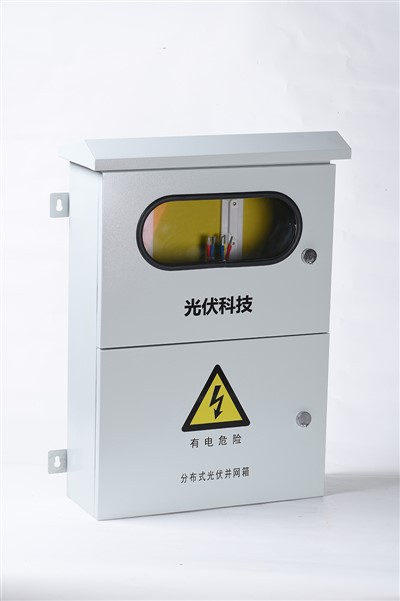
Proper ventilation is essential for the safe and reliable operation of electrical enclosures. By understanding the factors that influence ventilation requirements and following the best practices for ventilation design, you can ensure that your enclosures provide adequate cooling and protection for your electrical equipment.
Multimedia Information Box As an experienced supplier of electrical enclosures, I’m committed to providing high-quality products and solutions that meet the ventilation requirements of your specific application. If you have any questions or need assistance with your enclosure design, please don’t hesitate to contact me. I’d be happy to discuss your options and help you find the best solution for your needs.
References
- National Electrical Manufacturers Association (NEMA). (2022). NEMA Standards Publication 250-2022, Enclosures for Electrical Equipment (1000 Volts Maximum).
- International Electrotechnical Commission (IEC). (2021). IEC 60529:2021, Degrees of Protection Provided by Enclosures (IP Code).
- American Society of Heating, Refrigerating and Air-Conditioning Engineers (ASHRAE). (2020). ASHRAE Handbook – HVAC Systems and Equipment.
Shandong Qinghua Yike Electric Co., Ltd.
As one of the most experienced electrical enclosure manufacturers in China, we also support customized service. We warmly welcome you to buy durable electrical enclosure for sale here from our factory. If you have any enquiry about cooperation, please feel free to email us.
Address: No. 378 Taozhuang Village, Zaoyuan Town, Lanshan District, Linyi City, Shandong Province
E-mail: admin@sd-qhyk.com
WebSite: https://www.qhecobox.com/
