As a seasoned provider of furnace tubes, I’ve witnessed firsthand the pivotal role these components play in industrial operations. Furnace tubes are the unsung heroes in many high-temperature processes, from petrochemical refining to metal heat treatment. Ensuring their proper maintenance is not just about extending their lifespan; it’s about optimizing operational efficiency and safeguarding the quality of the end product. In this post, I’ll share some practical insights on how to maintain a furnace tube effectively. Furnace Tube
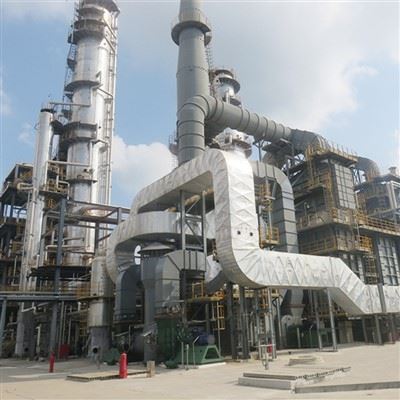
Understanding the Basics of Furnace Tubes
Before delving into maintenance strategies, it’s essential to understand the fundamentals of furnace tubes. Furnace tubes are designed to withstand extreme temperatures and harsh chemical environments. They are typically made of high – alloy steels or specialty metals like nickel – chromium alloys, which offer excellent heat resistance and corrosion protection.
However, even the most durable furnace tubes are susceptible to wear and tear over time. Factors such as thermal cycling, chemical exposure, and mechanical stress can all contribute to degradation. Recognizing the signs of damage early on is crucial for preventing catastrophic failures and minimizing downtime.
Regular Inspections
Regular inspections are the cornerstone of furnace tube maintenance. Visual inspections should be conducted on a routine basis to check for signs of physical damage, such as cracks, bulges, or thinning of the tube walls. These inspections can be carried out using simple tools like mirrors and cameras, allowing operators to examine hard – to – reach areas.
In addition to visual inspections, non – destructive testing (NDT) methods should be employed periodically. Techniques such as ultrasonic testing, radiographic testing, and magnetic particle testing can detect internal flaws that may not be visible to the naked eye. NDT is particularly important for detecting early – stage corrosion, cracks, or other defects that could compromise the structural integrity of the furnace tube.
Chemical Cleaning
Over time, furnace tubes can accumulate deposits on their inner and outer surfaces. These deposits can reduce heat transfer efficiency, increase fuel consumption, and even cause hot spots, which can lead to premature tube failure. Chemical cleaning is an effective way to remove these deposits and restore the tube’s performance.
The choice of cleaning agent depends on the type of deposit. For example, acidic solutions can be used to remove metal oxides and scale, while alkaline cleaners are more effective for removing organic deposits. It’s important to follow the manufacturer’s recommendations when selecting and using cleaning agents to ensure that they do not damage the furnace tube.
During the cleaning process, it’s essential to monitor the pH and temperature of the cleaning solution to prevent over – cleaning or under – cleaning. After the cleaning is complete, the furnace tube should be thoroughly rinsed to remove any residual cleaning agent.
Thermal Management
Proper thermal management is vital for maintaining the integrity of furnace tubes. Overheating can cause the tube material to deform, reduce its strength, and accelerate corrosion. To prevent overheating, it’s important to monitor the temperature of the furnace tube closely and ensure that it operates within the recommended temperature range.
One way to manage thermal stress is to use a temperature control system. This system can monitor the temperature of the furnace tube and adjust the fuel supply or air intake accordingly to maintain a stable temperature. Additionally, proper insulation of the furnace can help to reduce heat loss and prevent hot spots.
Another aspect of thermal management is to minimize thermal cycling. Frequent heating and cooling can cause the furnace tube to expand and contract, leading to fatigue and cracking. Whenever possible, try to maintain a consistent operating temperature to reduce the stress on the tube.
Corrosion Prevention
Corrosion is one of the most common causes of furnace tube failure. The harsh chemical environments in which furnace tubes operate can accelerate corrosion, especially in the presence of high temperatures and aggressive chemicals. To prevent corrosion, it’s important to use the right material for the application and to implement appropriate corrosion – prevention measures.
One effective way to prevent corrosion is to coat the furnace tube with a protective layer. Ceramic coatings, for example, can provide excellent resistance to high – temperature corrosion and abrasion. Additionally, adding corrosion inhibitors to the process fluids can help to reduce the rate of corrosion.
Regular monitoring of the corrosion rate is also important. This can be done using techniques such as corrosion coupons or electrochemical sensors. By closely monitoring the corrosion rate, operators can detect potential problems early and take corrective action before significant damage occurs.
Mechanical Stress Management
Furnace tubes are also subject to mechanical stress, which can be caused by factors such as vibration, expansion, and contraction. To minimize mechanical stress, it’s important to ensure that the furnace tube is properly installed and supported.
During installation, the tube should be aligned correctly to prevent bending or twisting. Adequate support should be provided to prevent excessive movement or vibration. Additionally, flexible connections can be used to accommodate thermal expansion and contraction without causing excessive stress on the tube.
Training and Education
Finally, proper training and education of operators and maintenance personnel are essential for effective furnace tube maintenance. Operators should be trained to recognize the signs of tube damage and to perform routine maintenance tasks, such as inspections and cleaning. Maintenance personnel should be trained in advanced techniques, such as NDT and tube repair.
By investing in training and education, companies can ensure that their furnace tubes are maintained properly and that any issues are addressed promptly. This can lead to increased equipment reliability, reduced downtime, and lower maintenance costs.
Conclusion
Maintaining a furnace tube is a complex but essential task for any industrial operation. By implementing a comprehensive maintenance program that includes regular inspections, chemical cleaning, thermal management, corrosion prevention, mechanical stress management, and training, companies can extend the lifespan of their furnace tubes, improve operational efficiency, and ensure the quality of their products.
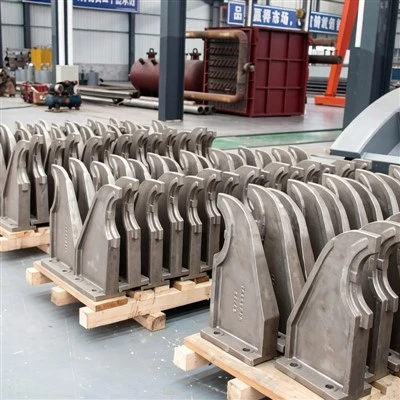
Petrochemical Equipment If you’re in the market for high – quality furnace tubes or need more information on furnace tube maintenance, I encourage you to reach out to our team. We have the expertise and experience to help you select the right products and develop a customized maintenance plan that meets your specific needs. Contact us today to start a discussion about your furnace tube requirements.
References
- Corrosion Prevention in High – Temperature Industrial Applications, Metallurgical Society Publication
- Handbook of Non – Destructive Testing Techniques for Industrial Equipment
- Thermal Management in Industrial Furnaces, Institute of Thermal Engineers Journal
Jiangsu Dongfang Whole-Set Equipment Manufacturing Group Co., Ltd.
We are one of the most professional furnace tube manufacturers and suppliers in China, also support customized service. With abundant experience, we warmly welcome you to buy durable furnace tube from our factory. If you have any enquiry about pricelist, please feel free to email us.
Address: No. 9, Industrial Park, Xinqiao Town, Jingjiang City, Jiangsu Province
E-mail: dfctwm@163.com
WebSite: https://www.dongfangequip.com/
