Hey there, PP Cross Weaving Fabric
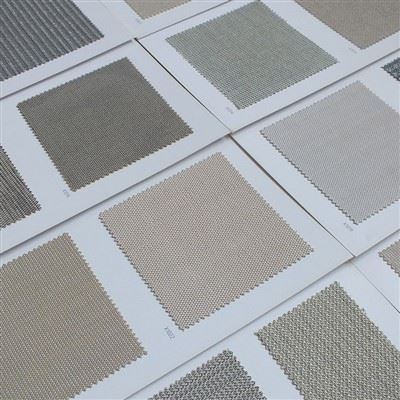
If you’ve ever dealt with outdoor storage solutions, agricultural covers, or even reusable shipping materials, you know one of the biggest headaches is mold and mildew. Those fuzzy, musty growths don’t just ruin the look of materials—they can also break them down over time, create unpleasant odors, and even pose small health concerns if they get into storage spaces or touch items like food crops or outdoor gear. As someone who’s spent the last eight years supplying PP cross weaving fabric to farms, warehouse operators, and event planners, I get asked this question at least once a week: Is this fabric actually resistant to mold and mildew?
I get why it’s such a common question. A lot of synthetic fabrics get a rap for being durable in the sun and rain, but fall short when it comes to moisture-related issues. Back when I started in this industry, I sold a different type of woven fabric to a local tomato farmer for his crop covers, and within two harvests, he called me upset saying mold had taken over half the rolls. It was a generic polypropylene fabric, not cross-woven, and it didn’t hold up to the dewy, humid nights in his valley. That mistake taught me to dig deep into the science behind our PP cross weaving fabric, and today, I’m here to break down what makes it different, how it stands up to mold, and what you should look for when picking the right fabric for your needs.
First, let’s get clear on what PP cross weaving fabric actually is, because not all polypropylene woven fabrics are the same. PP stands for polypropylene, a thermoplastic polymer that’s naturally hydrophobic—meaning it repels water, rather than absorbing it like cotton, canvas, or even some nylon blends. But cross weaving is a specific weave pattern where threads run both vertically and horizontally, but they’re woven in a crisscross, interlocked way that creates a tighter, more uniform structure than standard plain weave PP fabric. A lot of people mix up regular woven PP with cross woven PP, and that’s where the confusion on mold resistance starts.
Let’s talk about mold and mildew for a second, because they’re not exactly the same, but they share a common enemy when it comes to fabrics. Mold is a type of fungus that grows on organic matter, while mildew is a surface-level fungus that usually looks white or gray and thrives in damp, warm, poorly ventilated spaces. Both need three things to grow: moisture, oxygen, and a food source. That’s the key point here. If a fabric has no food source for these fungi, mold and mildew can’t take hold.
Here’s where polypropylene’s natural properties come into play. Unlike natural fibers like cotton, which are made of cellulose (the perfect feast for mold), polypropylene is a synthetic polymer with no cellulose, sugars, or other organic compounds that fungi can break down. So in its raw form, PP isn’t a food source for mold. But wait—regular woven PP fabric might have tiny gaps, or sometimes manufacturers add chemical finishes that attract moisture or provide a food source. That’s where cross weaving makes a difference too, and where our years of refining our fabric has paid off.
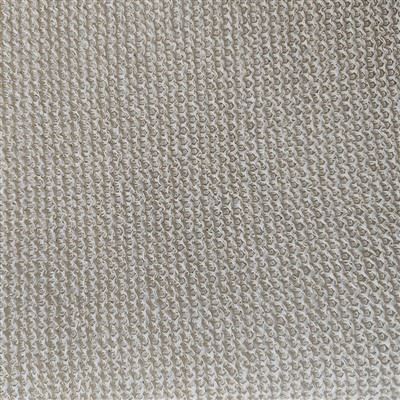
Our PP cross weaving fabric is made with 100% virgin polypropylene, no recycled materials mixed in, because recycled PP can sometimes have trace organic contaminants left over from its previous use that can feed mold. The cross weave pattern we use means there are fewer loose threads and smaller, more consistent pores than standard plain weave. Wait, you might think smaller pores would trap moisture, but that’s not the case with our fabric—we finish it with a non-toxic, water-repellent treatment that locks water out, while still allowing a small amount of air to pass through (we call that "breathable water resistance" and it’s been a game-changer for us). The cross weave’s interlocked structure also means that if any moisture does get through (say, during a heavy downpour), it beads up on the surface and runs off instead of soaking into the fabric’s fibers.
I’ve tested this myself, and so have many of our long-term customers. Last year, a horse stable owner came to me after trying canvas hay covers that were covered in black mold within a month. He bought our PP cross weaving fabric covers, and a year later, he told me he’s only had to wipe them down with a hose a couple of times. Another customer is a vegetable farm that uses our fabric as row covers for their lettuce and spinach. They’re in a coastal area with constant high humidity and heavy fog, and they’ve been using our fabric for three years now—no mold, no mildew, no rot. That’s not just luck; that’s how the fabric’s properties work together.
But here’s something I always make sure to tell people: no fabric is 100% immune to mold and mildew, and that’s important to set realistic expectations. Even our PP cross weaving fabric can develop minor surface stains if it’s left sitting in a completely stagnant, waterlogged space for months at a time, or if it’s stored in a pile with other damp materials that leach organic matter onto it. But compared to other fabrics, the risk is drastically lower. Mold can’t grow deep into the fabric like it does in natural fibers because there’s no food source, and any surface growth can usually be wiped off with a mild detergent and a hose, no harsh chemicals needed.
I also get a lot of questions about how our fabric holds up over time, because durability is tied to mold resistance. If a fabric breaks down from UV exposure or repeated use, it can develop tiny tears where moisture can get in and lead to mold. Our PP cross weaving fabric is UV-stabilized, which means it’s treated to resist fading and breaking down from sun exposure—something that’s especially important for outdoor use. We’ve had customers use our fabric for heavy-duty tarping for construction sites, and after four years of being left out in the sun and rain, it still doesn’t have any tears that would allow moisture to seep in, so mold doesn’t stand a chance.
A common misconception I hear from new customers is that synthetic fabrics are all the same when it comes to mold resistance. That’s just not true. I’ve had a customer who bought a cheaper cross woven PP fabric from a big-box supplier, and within three months, it had white mildew spots all over it. When we looked at the fabric, we found out they used recycled PP and added a cheap chemical water repellent that actually contained small amounts of organic compounds. That’s the difference between a quality supplier that knows their stuff and someone just selling a product to make a quick buck. At our company, every batch of our PP cross weaving fabric is tested for mold resistance before it leaves our warehouse, per industry standards. We test it by exposing samples to high humidity (90%) and moderate temperature (85°F) for 28 days, and we check for any fungal growth. We’ve never had a sample fail that test, which is a big deal for us.
Another thing that sets our fabric apart is that it’s easy to clean, which helps prevent mold and mildew from building up. If you do get a small amount of dust or dirt on the fabric, you can just spray it off with a hose, no special cleaners needed. Unlike canvas, which requires special washing or scrubbing, our cross weave’s smooth, non-porous surface means dirt doesn’t get trapped in the fibers, so it’s much harder for mold to grow in the first place. That’s a huge benefit for anyone who uses the fabric for repeated applications—whether it’s covering a shipment of goods, wrapping hay bales, or building a temporary shelter, cleaning is quick and simple.
I’ve also had customers ask if our fabric is safe for use with food, which is a big concern for farmers and food storage operators. The good news is that PP itself is FDA-approved for food contact, and our water-repellent treatment is non-toxic and free of harmful chemicals like phthalates or lead. That means you can use our fabric to cover fresh produce, store grain, or even line a food storage bin without worrying about mold or toxic chemicals leaching into your products. I worked with a grain co-op last year that had been struggling with mold in their grain covers, and switching to our PP cross weaving fabric saved them thousands of dollars in lost grain that had to be thrown out due to mold contamination.
Now, let’s talk about what to look for if you’re shopping for PP cross weaving fabric, because not all products on the market are created equal. First, make sure it’s virgin PP, not recycled. Recycled PP might have residual contaminants that can feed mold. Second, check the weave quality—cross weave should be tight and uniform, with no loose threads or gaps that can trap moisture. Third, ask about UV stabilization and water-repellent treatment. Fourth, don’t be afraid to ask for test reports or references from customers who have used the fabric in humid or outdoor environments. As someone who’s been in this industry for a long time, I’d much rather take the time to explain the benefits of our fabric than have a customer come back upset because they bought a cheap, inferior product.
At the end of the day, mold and mildew resistance isn’t just a nice feature—it’s a necessity for anyone who uses fabric in damp, outdoor, or high-moisture environments. Whether you’re a farmer protecting your crops, a warehouse manager storing goods, or an event planner setting up temporary structures, choosing the right fabric can save you time, money, and hassle down the line. Our PP cross weaving fabric has been trusted by hundreds of customers across different industries, and the most common feedback I get is how little they have to worry about mold and mildew compared to the fabrics they used before.
If you’re currently dealing with mold issues with your current fabric, or if you’re looking for a durable, long-lasting solution for your next project, I’d love to talk more. We can send you sample rolls of our PP cross weaving fabric so you can test it for yourself, no obligation. Whether you need small quantities for a small farm or bulk orders for a large construction project, we can tailor our product to meet your specific needs. Don’t let mold ruin your materials or your operations—let’s find the right fabric solution together.
PP Woven Fabric References
ASTM D4587, Standard Practice for Fluorescent UV-Condensation Exposures of Materials
Food and Drug Administration. (2021). Substances permitted for use in polymer resins in contact with food.
International Organization for Standardization. (2019). ISO 846, Plastics – Determination of the action of microorganisms.
US Department of Agriculture. (2020). Agricultural covers and their impact on crop protection and yield.
Nanping Kingway New Material Co., Ltd.
As one of the most professional pp cross weaving fabric manufacturers and suppliers in China, we also support customized service. With abundant experience, we warmly welcome you to wholesale durable pp cross weaving fabric in stock here from our factory. If you have any enquiry about pricelist, please feel free to email us.
Address: No. 10, Chengnan Branch Road, Chengjiao Town, Nanping, Fujian, China.
E-mail: npjwxcl@aliyun.com
WebSite: https://www.suernew.com/
